Are Robotic Pool Cleaners Worth It in 2026?
A straight answer by pool type, what a robot replaces and what it does not, robot vs suction and pressure cleaners, and the cost math against a pool service.
By , research by the BestBots team · Updated Oct 19, 2026
Fact checked against each company's published pricing, documentation and verified user ratings. How we score
Robotic pool cleaners are worth it for most pool owners. A robot runs on its own power with its own filter, scrubs the floor and, on most models, the walls and waterline, and the best cordless ones skim the surface too. You still manage water chemistry. They are least worth it for small above ground pools you can vacuum by hand in minutes.
 Beatbot AquaSense 2 Ultra4.3
 Aiper Scuba X14.0
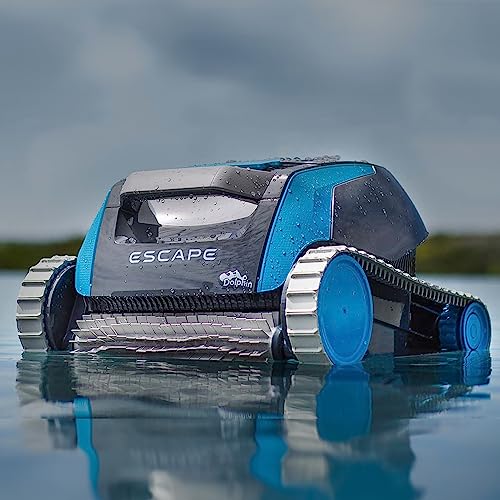 Dolphin Escape3.9
The short answer by pool
| Your pool | Worth it? | What to buy |
|---|---|---|
| In ground, leafy yard | Yes | A surface skimming cordless robot (Beatbot) |
| In ground, fine dust or sand | Yes | A fine filter robot (Aiper Scuba X1, 3 microns) |
| Above ground, vinyl | Yes | A liner friendly robot (Dolphin Escape) |
| Small flat above ground pool | Probably | A floor only cordless (Aiper Seagull SE) |
| You pay for weekly cleaning | Yes | Any well rated robot sized to your pool |
| Tiny pool, rarely used | Maybe not | A manual vacuum may do |
What a robot replaces
- Vacuuming the floor. Every robot does this.
- Brushing walls and the waterline. Most cordless robots here, and some corded ones, scrub walls; the Beatbot, Aiper Scuba X1 and Mammotion Spino E1 clean the waterline.
- Skimming. Only surface cleaning robots like the Beatbot AquaSense 2 Ultra (up to 10 hours) and Sora 70 (up to 7 hours).
- Filter load. Robots trap debris in their own basket or cartridge, so your pool filter clogs less often.
What a robot does not replace
- Water chemistry. You still test and balance chlorine and pH. The Aiper Seagull SE has a chemical dispenser and Beatbot's AquaSense line uses a clarifier, but neither replaces testing.
- Equipment care. Pumps, heaters and filters still need checking.
- Every corner. Steps, tight corners and heavy waterline buildup may need an occasional brush.
Robot vs suction vs pressure cleaners
| Type | How it works | Pros | Cons |
|---|---|---|---|
| Robotic | Own motor and filter; corded or cordless | Scrubs walls and waterline, does not load your pump, some skim the surface | Highest upfront cost; battery or cord to manage |
| Suction | Attaches to your skimmer and uses your pump | Low upfront cost | Sends debris to your filter, runs your pump longer |
| Pressure | Uses a booster pump or return jet | Handles leaves | Needs pump energy, often a booster pump |
For most pools, a robot is the better long term tool because it keeps debris out of your main filter and does more of the cleaning itself.
The cost math
BestBots does not list robot prices because they are sold on Amazon and retail. Each review links to the current price.
On the other side, Bob Vila's pool maintenance guide puts monthly service at about $30 to $260 (May 2024). A robot covers the cleaning portion; if you handle chemistry yourself, it can replace paid cleaning visits entirely. Over a few seasons, a robot is usually the cheaper route for owners who pay for cleaning.
Ownership costs to plan for: filters or baskets, an eventual battery on cordless models, clarifier refills on Beatbot's AquaSense line, and replacement parts after the warranty (1 to 3 years on our picks).
When it is not worth it
- Very small pools. A 12 ft round pool takes minutes to vacuum by hand.
- Pools you rarely open. A robot earns its keep with frequent runs.
- No storage or charging spot. Cordless robots need a dry place to charge between runs.
- Mostly floating debris and a floor only robot. You still skim by hand.
Our take
If you own an in ground pool or a medium to large above ground pool, buy one. Match the robot to your debris (leaves, a surface skimmer; fine dust, a fine filter) and your pool (vinyl above ground, a liner friendly robot). Rankings: Best Robotic Pool Cleaners, Best Cordless Robotic Pool Cleaners and Best for Above Ground Pools.
Frequently asked questions
Are robotic pool cleaners worth it?
For most pool owners, yes. A robot scrubs the floor and, on most models, the walls and waterline on its own, with its own filter, so you vacuum by hand far less. It does not replace water chemistry. It is less worth it for tiny above ground pools you can vacuum in minutes.
Do robotic pool cleaners really work?
Yes, within their specs. Check which surfaces a model cleans, its filter fineness and pool size. A floor only robot leaves walls and the waterline to you; a 150 micron basket lets fine dust through, while a 3 micron filter like the Aiper Scuba X1's catches it.
Robotic vs suction pool cleaner: which is better?
Robots, for most pools. Suction cleaners use your pool pump and filter and only move debris to your filter. Robots run on their own power, carry their own filter and many scrub walls and the waterline. Suction cleaners cost less to buy.
Is a pool robot cheaper than a pool service?
Usually. Bob Vila puts pool maintenance at about $30 to $260 per month. A robot covers the cleaning part of that, not chemicals or equipment checks, so many owners keep chemistry in house and drop paid cleaning visits.
Are cordless pool robots worth it?
Yes if you want no cord and surface skimming. Cordless robots now run up to 5 hours on the floor and skim up to 10 hours on the Beatbot AquaSense 2 Ultra. Corded robots never need charging and suit owners who want a weekly timer.
How long do robotic pool cleaners last?
Brands do not publish lifespans. Warranties are the guide: 1 year on the Aiper Seagull SE and Dolphin Nautilus CC Plus, 2 years on the Dolphin Escape and Mammotion Spino E1, 3 years on Beatbot.
Do I still need to brush and skim my pool?
Less. Robots that skim (Beatbot) catch floating leaves. Steps, tight corners and heavy sunscreen lines may still need a brush now and then.